Work-related injuries can affect more than your job. They can make it harder to move comfortably, complete daily tasks, sleep well, exercise, or feel confident returning to your normal routine.
Some workplace injuries happen suddenly after a slip, fall, lift, twist, or accident. Others build gradually over time from repetitive movements, prolonged sitting, awkward positions, heavy lifting, or repeated strain on the body.
Work-related injuries can affect the back, neck, shoulders, elbows, wrists, hands, hips, knees, ankles, or feet. Symptoms may include pain, stiffness, weakness, reduced mobility, numbness, tingling, or difficulty performing job-specific tasks.
At CORPEO, located in Gloucester Centre in Ottawa’s east end, our physiotherapy team helps assess what is contributing to your work-related injury and creates a personalized plan to support recovery. The goal is to reduce discomfort, improve function, and help you return to work and daily life with more confidence.
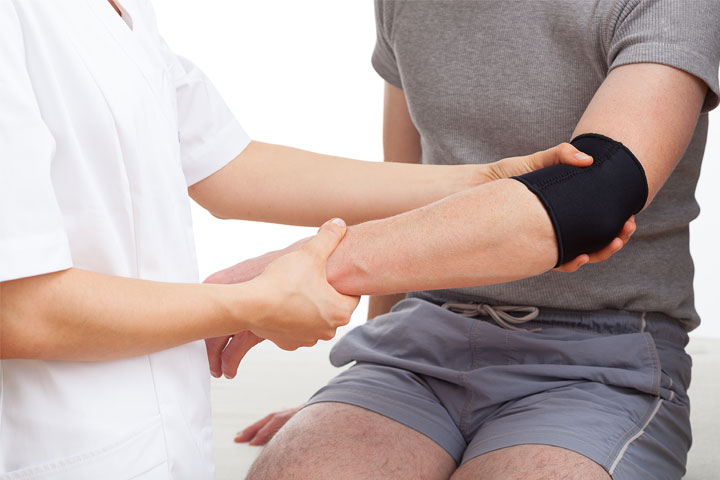
Workplace injuries can happen in many different environments. They may occur in office settings, healthcare, construction, retail, warehouses, trades, hospitality, transportation, or other physically demanding roles.
Common contributors to work-related injuries include:
Repetitive movements can place stress on muscles, tendons, joints, and nerves. This may happen with typing, lifting, gripping, reaching, scanning, tool use, or repeated hand and arm movements. Over time, symptoms can build and begin to affect comfort and productivity.
Back and neck pain can develop from heavy lifting, prolonged sitting, poor workstation setup, awkward postures, or repeated bending and twisting. Symptoms may include stiffness, muscle tension, sharp pain, or discomfort that worsens during the workday.
Upper-body injuries are common in jobs that involve lifting, reaching, carrying, gripping, computer use, or repetitive tasks. Conditions may include tendon irritation, joint stiffness, carpal tunnel symptoms, or general strain through the arm and hand.
A sprain affects a ligament, while a strain affects a muscle or tendon. These injuries can happen after a slip, fall, sudden movement, awkward lift, or unexpected force. They may cause pain, swelling, weakness, and difficulty using the injured area.
Falls at work can lead to injuries such as sprains, fractures, bruising, back pain, or balance concerns. Physiotherapy may help restore mobility, strength, and confidence after the initial injury has been medically assessed.
Overexertion can happen when the body is pushed beyond its current capacity. This may occur with heavy lifting, long shifts, repeated tasks, or not enough recovery time. It can lead to muscle soreness, strain, fatigue, and reduced tolerance for work demands.
Work-related injuries can vary depending on the type of work, the area affected, and how the injury occurred.
Symptoms may include:
Physiotherapy can help identify the factors contributing to your injury and guide you through a structured recovery plan. Your physiotherapist will assess the injured area, while also considering your job demands, movement patterns, strength, mobility, and daily routine.
At CORPEO, your assessment may include a discussion about your symptoms, injury history, work duties, posture, lifting demands, workstation setup, activity level, and the movements that make your symptoms better or worse. Your physiotherapist may also assess range of motion, strength, joint mobility, balance, coordination, nerve sensitivity, and functional movements related to your work.
Based on your assessment, your physiotherapy plan may include:
Gentle movement can help reduce stiffness, improve mobility, and support more comfortable daily function.
Targeted strengthening can help rebuild support, endurance, and control. Exercises may focus on the injured area as well as related regions that affect your work tasks.
Hands-on techniques may be used to improve joint mobility, reduce muscle tension, and support more comfortable movement when appropriate.
Your physiotherapist may include exercises that relate to your job duties. This may involve lifting, carrying, reaching, gripping, squatting, pushing, pulling, or prolonged posture tolerance.
Small changes in workstation setup, lifting technique, posture, tool use, or task pacing can reduce strain and support recovery. Your physiotherapist can help you find practical strategies for your work environment.
As symptoms improve, your physiotherapist can help guide a gradual return to work duties. This may include pacing, modified tasks, progressive loading, and strategies to reduce flare-ups.
Your work injury treatment plan is personalized to your symptoms, job demands, goals, and stage of recovery. Some people need help reducing pain after a recent injury. Others need a progressive plan to rebuild strength and tolerance for work tasks.
As you improve, your physiotherapist will adjust your exercises and activity plan safely. The goal is to help you restore movement, build confidence, and return to work and daily life with better control.
Book Your Assessment
Receive a Personalized Work Injury Treatment Plan
Improve Mobility, Strength, Function, and Work Tolerance
Return to Work and Daily Life with More Confidence
A work-related injury can interrupt your routine, but physiotherapy can help you better understand your symptoms and take practical steps toward recovery. Contact CORPEO today to schedule a physiotherapy assessment at our Gloucester Centre clinic in Ottawa’s east end and learn how we can help with work-related injuries.