Pelvic pain can be difficult to live with and, for many people, difficult to talk about. It may feel like aching, pressure, burning, sharp pain, heaviness, tightness, or discomfort in the lower abdomen, pelvis, hips, groin, tailbone, bladder area, rectal area, or pelvic floor.
Some people experience pelvic pain during certain activities, while others feel it more constantly. It may affect walking, sitting, exercise, bladder or bowel habits, intimacy, sleep, work, or daily routines. Pelvic pain can affect women and men, and it may be related to muscles, joints, nerves, connective tissues, bladder or bowel function, surgery, pregnancy, postpartum recovery, hormonal changes, or other medical conditions.
At CORPEO, our physiotherapy team provides pelvic health care in a respectful, private, and supportive environment. We take time to understand your symptoms, your comfort level, and the factors that may be contributing to your pain so we can build a treatment plan that fits your needs.
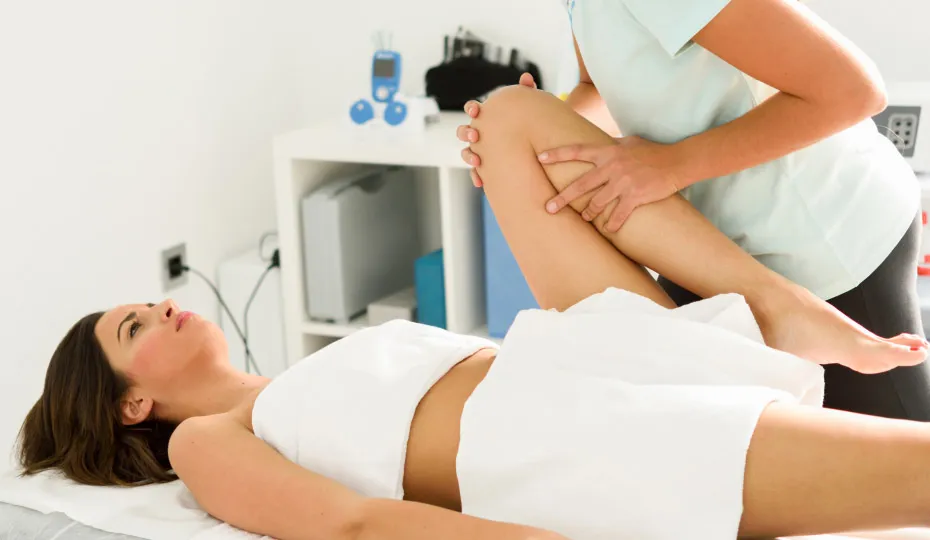
Pelvic pain can have many possible causes. In some cases, it is related to the pelvic floor muscles becoming too tight, weak, sensitive, or poorly coordinated. In other cases, symptoms may involve the hips, low back, abdomen, bladder, bowel, nerves, scar tissue, or surrounding joints and soft tissues.
Common contributors to pelvic pain may include:
The pelvic floor muscles help support the bladder, bowel, and reproductive organs. When these muscles are overly tense, weak, irritated, or not coordinating well, they can contribute to pain, pressure, urinary symptoms, constipation, or discomfort with intercourse.
Conditions such as interstitial cystitis, painful bladder syndrome, constipation, or bowel control concerns can be associated with pelvic discomfort, urgency, pressure, or pain.
Pregnancy, delivery, C-sections, tearing, scar tissue, hormonal changes, and postpartum recovery can all affect pelvic floor function, core strength, hip mobility, and pelvic comfort.
Men may experience pelvic pain related to chronic prostatitis, pelvic floor tension, urinary symptoms, pain with sitting, or discomfort in the groin, perineum, or lower abdomen.
Some pelvic pain is related to conditions such as endometriosis, painful periods, pelvic inflammatory conditions, or other gynecological concerns. Physiotherapy does not replace medical care for these conditions, but it can help address related muscle tension, movement limitations, and pain patterns.
The pelvis works closely with the low back, hips, sacroiliac joints, and tailbone. Stiffness, weakness, joint irritation, posture, or movement patterns in these areas can contribute to pelvic pain.
Physiotherapy for pelvic pain begins with a detailed conversation about your symptoms, medical history, goals, daily activities, bladder and bowel habits, pregnancy or surgical history, and what makes your pain better or worse. Your comfort is always respected, and your physiotherapist will explain each step before moving forward.
Your assessment may include posture, breathing, core function, hip and low back mobility, pelvic movement, muscle coordination, strength, and functional movement. When appropriate and only with your consent, pelvic floor assessment may also be discussed.
Based on your needs, your treatment plan may include:
If your pelvic floor muscles are tight, sensitive, or overactive, treatment may focus on relaxation, breathing, muscle coordination, and reducing unnecessary tension.
When weakness or poor support is contributing to symptoms, your physiotherapist may guide you through exercises to improve pelvic floor strength, core control, hip stability, and overall function.
Hands-on techniques may be used to address stiffness, muscle tension, scar tissue sensitivity, joint mobility, or soft tissue restrictions in the pelvis, hips, low back, abdomen, or surrounding areas.
Your physiotherapist can provide guidance on bladder habits, bowel routines, urgency strategies, constipation management, positioning, and daily habits that may influence symptoms.
You may receive support with sitting, lifting, exercise, walking, returning to activity, or modifying movements that aggravate your pain.
Treatment may include breathing techniques, relaxation strategies, home exercises, pacing, symptom management tools, and education to help you feel more in control of your recovery.
Pelvic pain is personal, and your treatment should feel respectful and collaborative. At CORPEO, your physiotherapist will work with you at your pace and adjust your care based on your symptoms, goals, and comfort level.
The goal is to help reduce pain, improve pelvic floor function, support bladder and bowel control, restore confidence with movement, and improve your quality of life.
Book Your Assessment
Receive a Personalized Pelvic Pain Treatment Plan
Improve Mobility, Strength, Relaxation, and Control
Return to Daily Life with More Comfort and Confidence
Pelvic pain can affect many parts of daily life, but support is available. With a personalized physiotherapy plan, you can better understand your symptoms, improve function, and take meaningful steps toward relief. Contact CORPEO today to schedule a pelvic health physiotherapy assessment and learn how we can help with pelvic pain.