Pregnancy and postpartum recovery can bring many physical changes. As your body adapts, you may notice discomfort in your back, pelvis, hips, abdomen, or pelvic floor. You may also experience changes in posture, balance, strength, breathing, or confidence with movement.
Some symptoms begin during pregnancy as your body accommodates a growing baby. Others appear after birth, as your muscles, joints, connective tissues, and pelvic floor recover. These changes are common, but that does not mean you have to simply push through them.
Physiotherapy can help support comfort, movement, strength, and function during pregnancy and after delivery. Treatment is personalized to your symptoms, stage of pregnancy or recovery, and goals.
At CORPEO, located in Gloucester Centre in Ottawa’s east end, our physiotherapy team provides a supportive approach to pregnancy-related and postpartum concerns. The goal is to help you move with more comfort, understand your body, and feel more confident through each stage of care.
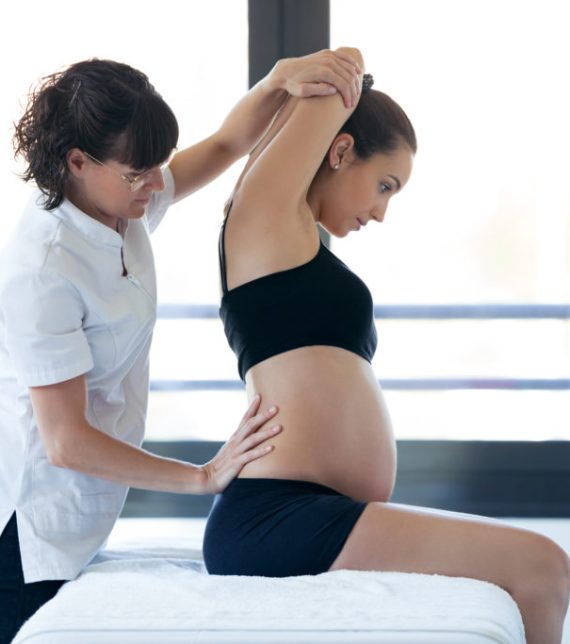
During pregnancy, the body goes through changes in posture, joint mobility, muscle demand, weight distribution, and breathing mechanics. These changes can affect how the back, pelvis, hips, core, and pelvic floor function together.
After birth, recovery can also vary from person to person. Some people need support with pain, weakness, pelvic floor symptoms, abdominal separation, or return to exercise. Others may want guidance on lifting, feeding positions, carrying their baby, or rebuilding strength safely.
Common contributors to pregnancy and postpartum discomfort include:
Low back pain can develop as posture, weight distribution, and muscle demands change during pregnancy. It can also continue postpartum due to feeding positions, lifting, carrying, and reduced recovery time.
Pelvic girdle pain may be felt at the front or back of the pelvis, around the hips, or near the pubic bone. It can make walking, stairs, rolling in bed, or standing on one leg more uncomfortable.
Hormonal and physical changes during pregnancy can affect joint comfort and stability. Some people notice pain in the hips, knees, feet, or pelvis, especially with prolonged standing, walking, or daily movement.
The pelvic floor helps support bladder, bowel, and core function. During pregnancy and after childbirth, these muscles may become weak, tight, sensitive, or difficult to coordinate. Symptoms may include leakage, pressure, heaviness, pelvic pain, or difficulty returning to exercise.
Diastasis recti refers to a separation or widening through the abdominal wall that can occur during pregnancy. Physiotherapy can help with core connection, pressure management, breathing strategies, and gradual strengthening after birth.
After delivery, many people feel unsure about when or how to return to exercise. A gradual physiotherapy plan can help rebuild strength, improve confidence, and support a safe return to activity.
Symptoms can vary depending on your stage of pregnancy, birth experience, recovery, and daily demands.
Symptoms may include:
Physiotherapy can help identify what is contributing to your symptoms and guide you through safe, appropriate strategies for your stage of pregnancy or postpartum recovery. Your physiotherapist will assess how your posture, breathing, mobility, strength, core, hips, pelvis, and pelvic floor are working together.
At CORPEO, your assessment may include a discussion about your symptoms, pregnancy or birth history, activity level, daily demands, exercise goals, and the movements that make your symptoms better or worse. Your physiotherapist may also assess mobility, strength, breathing patterns, posture, pelvic control, functional movement, and core coordination.
Based on your assessment, your physiotherapy plan may include:
Gentle exercises can help reduce stiffness, improve movement, and support comfort through the back, hips, pelvis, and lower body.
Your physiotherapist can guide you through safe core and pelvic floor exercises. These may focus on strength, coordination, relaxation, breathing, or pressure management depending on your needs.
Targeted strengthening can help support the hips, glutes, back, core, and legs. Exercises are chosen based on your stage of pregnancy or recovery and progressed gradually.
Hands-on techniques may be used to improve mobility, reduce muscle tension, and support more comfortable movement when appropriate.
Your physiotherapist can help with posture, lifting, feeding positions, sleep positioning, getting in and out of bed, and ways to reduce strain during daily tasks.
Postpartum recovery looks different for everyone. Your physiotherapist can help you rebuild activity safely, whether your goal is walking, strength training, running, sport, or general fitness.
Your pregnancy or postpartum physiotherapy plan is personalized to your body, symptoms, comfort level, and goals. Some people need support during pregnancy to manage pain and prepare for daily movement. Others seek care postpartum to rebuild strength, manage pelvic floor symptoms, or return to exercise.
As your needs change, your physiotherapist will adjust your plan safely. The goal is to support recovery, improve function, and help you feel more confident in your body.
Book Your Assessment
Receive a Personalized Physiotherapy Plan
Improve Comfort, Strength, Core Control, and Mobility
Move Through Pregnancy and Postpartum Recovery with More Confidence
Pregnancy and postpartum recovery can bring many changes, but physiotherapy can help you better understand your symptoms and feel more supported through each stage. Contact CORPEO today to schedule a physiotherapy assessment at our Gloucester Centre clinic in Ottawa’s east end and learn how we can help during pregnancy and postpartum recovery.