After a car accident, it is common to feel pain, stiffness, or a loss of mobility. Even when a collision seems minor at first, symptoms can sometimes appear a few hours or a few days later.
You may notice discomfort in the neck, back, shoulders, arms, hips, knees, or other areas of the body. Some people feel pain immediately, while others develop symptoms gradually as the body responds to the impact.
Physiotherapy can help you better understand your symptoms, restore movement, rebuild strength, and safely return to your daily activities. Recovery is different for every person, and your plan should reflect your injuries, your goals, and your stage of healing.
At CORPEO, located in Gloucester Centre in Ottawa’s east end, our physiotherapy team helps patients recover from car accident injuries with personalized, structured care. The goal is to reduce discomfort, improve function, and help you move through your day with more confidence.
A car accident can create sudden forces through the body. These forces can affect the joints, muscles, ligaments, nerves, and soft tissues. Symptoms can vary depending on the type of collision, your position during the accident, your health history, and how your body responds afterward.
Common injuries after a car accident include:
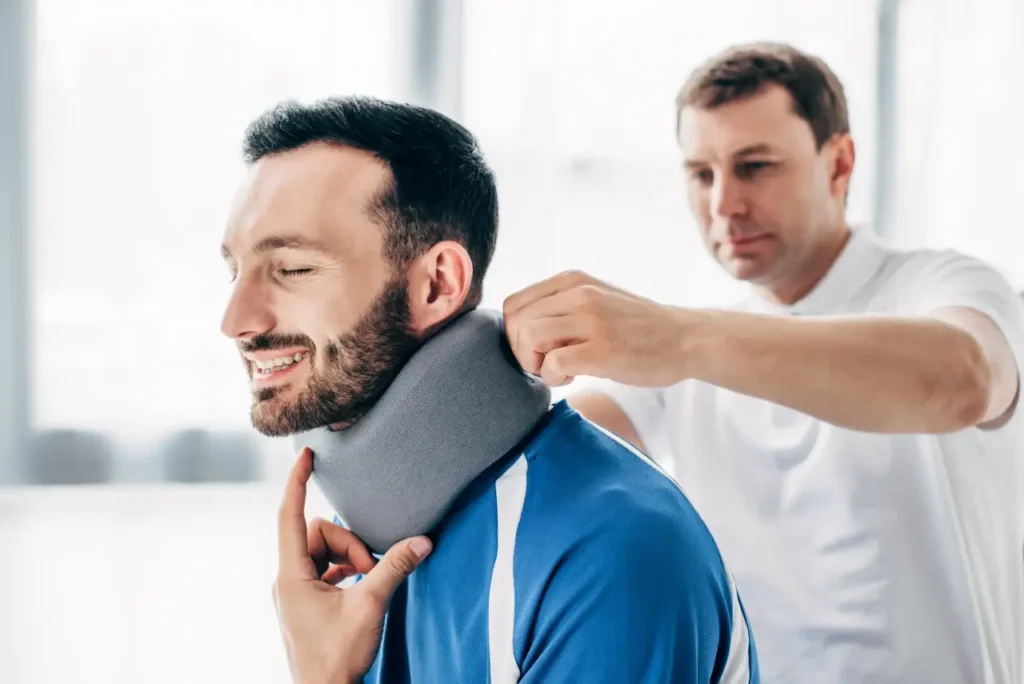
Whiplash can occur when the neck moves rapidly forward and backward during a collision. This can irritate the muscles, joints, ligaments, and nerves around the neck. Symptoms may include neck pain, stiffness, headaches, reduced range of motion, or discomfort with driving, desk work, or sleeping.
Back pain after a car accident can involve the muscles, joints, discs, ligaments, or nerves of the spine. Some people feel stiffness or a dull ache. Others may have sharp pain, muscle spasms, or symptoms that travel into the hip or leg.
The shoulder, arm, wrist, or hand can be injured through bracing for impact, seatbelt force, direct contact, or sudden movement. These injuries can lead to pain, swelling, weakness, numbness, tingling, or difficulty lifting, reaching, gripping, or carrying.
The lower body can be affected by impact, twisting, braking, or bracing during the accident. Symptoms may include pain, swelling, reduced mobility, difficulty walking, or less confidence on stairs and with everyday movement.
Soft tissue injuries affect the muscles, tendons, ligaments, and surrounding tissues. They can cause pain, stiffness, bruising, tenderness, weakness, or reduced range of motion. These symptoms can affect daily tasks, work, exercise, and sleep.
Some people experience headaches, dizziness, light sensitivity, changes in balance, or difficulty concentrating after an accident. If concussion symptoms are suspected, it is important to be assessed by an appropriate healthcare professional. Physiotherapy can help with neck pain, dizziness, balance, and a gradual return to activity when appropriate.
Symptoms after a car accident can appear immediately or with a delay. They may affect a single area of the body or several areas at once.
Symptoms may include:
Physiotherapy can help identify what is contributing to your pain and movement limitations after an accident. Your physiotherapist will assess the affected areas, while also considering your daily routine, work demands, activity level, and recovery goals.
At CORPEO, your assessment may include a discussion about the accident, your symptoms, your medical history, your current limitations, your work or school demands, your driving tolerance, your sleep, your activity level, and the movements that aggravate or relieve your symptoms. Your physiotherapist may also assess range of motion, strength, mobility, balance, posture, muscle sensitivity, nerve sensitivity, walking, and functional movement.
Based on your assessment, your physiotherapy plan may include:
Gentle movement can help reduce stiffness, restore mobility, and support more comfortable movement after an accident. Exercises are chosen based on your symptoms and progressed safely over time.
Targeted strengthening can help rebuild support, endurance, and control in the affected areas. This may include the neck, back, shoulders, hips, legs, core, or other areas involved in your recovery.
Hands-on techniques may be used when appropriate to improve joint mobility, reduce muscle tension, and support more comfortable movement.
If the accident has affected your balance, coordination, walking, or confidence with movement, physiotherapy can include exercises to improve stability and control.
After an accident, the body may move differently because of pain, guarding, weakness, or fear of re-injury. Neuromuscular retraining helps improve movement habits, posture, coordination, and confidence.
Your physiotherapist can help you practise the movements that matter most in your daily life. This may include walking, stairs, lifting, reaching, carrying, driving tolerance, work tasks, or exercise.
Understanding your symptoms can make recovery feel more manageable. Your physiotherapist can guide you on pacing, posture, activity modification, flare-up management, safe exercise progression, and planning your return to work or activity.
Your car accident rehabilitation plan is personalized to your injuries, symptoms, goals, and stage of recovery. Some people need support in the early stages after an accident. Others are living with symptoms that have persisted for several weeks or months.
As you progress, your physiotherapist will adjust your plan based on how you are responding. Treatment may begin with gentle mobility exercises and symptom management, then progress toward strengthening, functional movement, endurance, and a return to work, sport, driving, or daily activities.
The goal is to help you recover safely, reduce pain, restore movement, and rebuild confidence in your body.
Book Your Assessment
Receive a Personalized Car Accident Rehabilitation Plan
Improve Mobility, Strength, Function, and Confidence
Return to Daily Life, Work, Exercise, or Sport with More Control
A car accident can disrupt your routine, but physiotherapy can help you better understand your symptoms and take concrete steps toward recovery. Contact CORPEO today to schedule a physiotherapy assessment at our Gloucester Centre clinic in Ottawa’s east end and learn how we can help after a car accident.