Persistent tendon pain, plantar fasciitis, or soft tissue discomfort can make it difficult to stay active and move comfortably. If rest, stretching, or activity modification have not provided enough relief, shockwave therapy may be a helpful option as part of your physiotherapy care plan.
At CORPEO, our physiotherapy team uses shockwave therapy when appropriate to support recovery from stubborn soft tissue and tendon-related conditions. Your treatment is based on a detailed assessment, your symptoms, your activity goals, and the factors contributing to your pain.
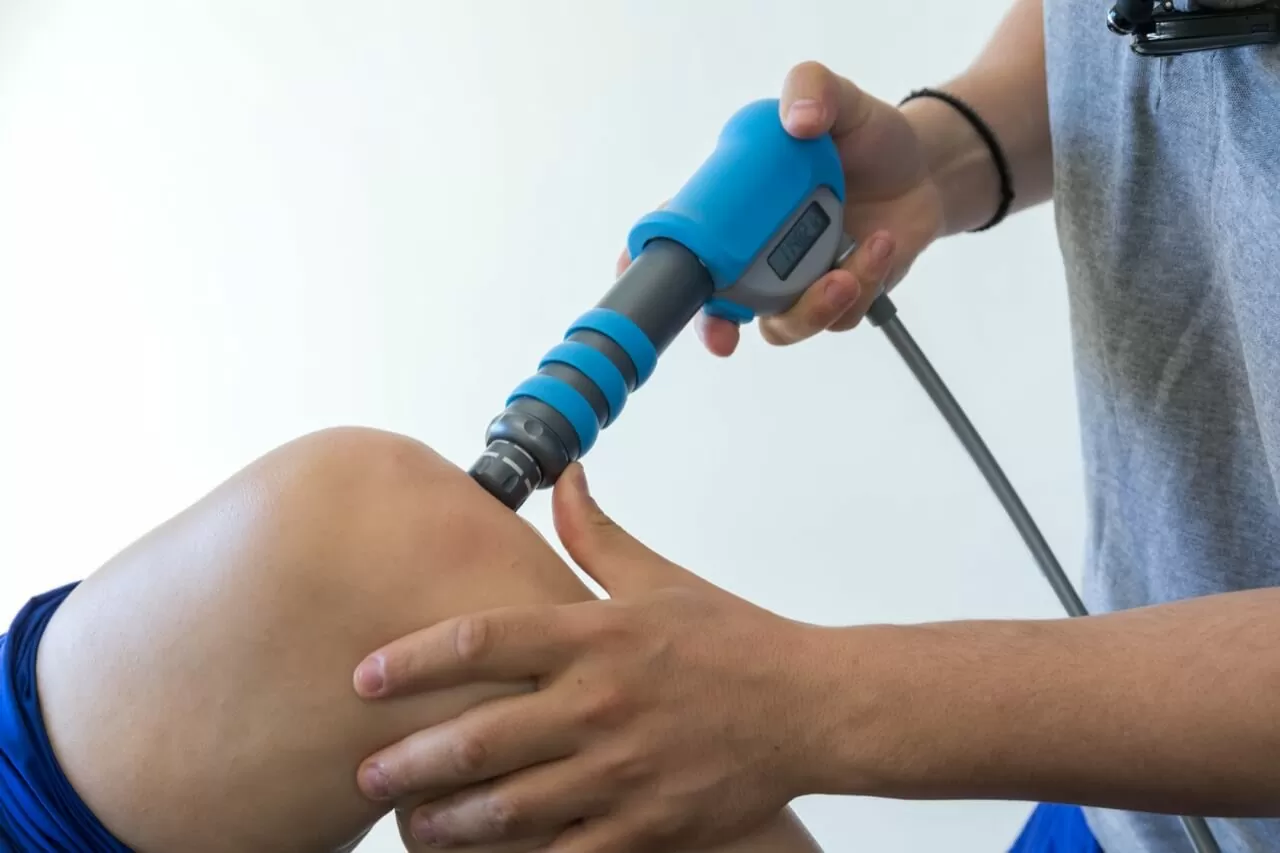
Shockwave therapy is a non-invasive treatment that uses controlled acoustic pulses to stimulate targeted areas of soft tissue. These pulses create a mechanical effect within the tissue, which can help increase local blood flow, support healing activity, and reduce sensitivity in painful areas.
This treatment is often used for tendons, fascia, muscles, and other soft tissues that have become irritated, tight, or restricted. By supporting circulation and tissue repair, shockwave therapy can help improve comfort, mobility, and tolerance to movement.
Shockwave therapy is not usually used on its own. It works best when combined with a complete physiotherapy plan that addresses the factors contributing to your symptoms, such as weakness, mobility limitations, overuse, poor mechanics, or training load.
Shockwave therapy may be used to help manage a variety of soft tissue and musculoskeletal conditions, particularly when symptoms are persistent or related to tendons, fascia, or chronic irritation.
Depending on your assessment, shockwave therapy may help with:
Your care begins with a detailed physiotherapy assessment. Your physiotherapist will review your symptoms, medical history, activity level, injury history, and the movements or activities that make your pain better or worse.
They will also assess factors such as range of motion, strength, tissue sensitivity, joint mobility, movement patterns, and functional limitations. This helps determine whether shockwave therapy is appropriate and how it should fit into your overall treatment plan.
If shockwave therapy is recommended, your physiotherapist will apply the treatment to the targeted area using a handheld device. You may feel tapping, pulsing, pressure, or mild discomfort during the treatment. The intensity can be adjusted based on your tolerance and response.
After treatment, your physiotherapist may provide guidance on activity modification, exercises, recovery strategies, and what to expect over the next several days.
Shockwave therapy can help create a better environment for healing, but long-term improvement usually depends on addressing the reason the tissue became irritated in the first place.
Your physiotherapy plan may include:
Targeted strengthening helps build the capacity of the affected muscles and tendons so they can better tolerate daily activities, training, and sport.
Mobility exercises, stretching, and movement drills can help reduce stiffness, improve range of motion, and support healthier movement patterns.
Your physiotherapist can help adjust activity levels, training volume, work demands, or sport participation so the affected tissue has the opportunity to recover without unnecessary overload.
Hands-on techniques may be used to reduce stiffness, improve mobility, and support comfort in surrounding muscles and joints.
You will receive clear instructions on exercises, recovery strategies, and how to manage symptoms between appointments.
Shockwave therapy may offer several benefits when used as part of a personalized rehabilitation plan, including:
Book Your Assessment
Receive a Personalized Treatment Plan
Begin Shockwave Therapy if Appropriate for Your Needs
Build Strength, Mobility, and Long-Term Function
Ongoing tendon pain, plantar fasciitis, or soft tissue discomfort can make it difficult to stay active and enjoy daily life. Shockwave therapy may help support your recovery when used alongside a complete physiotherapy plan. Contact CORPEO today to schedule an assessment and learn whether shockwave therapy is right for your care.