Gait refers to the way you walk. When your walking pattern changes, everyday movement can become more difficult. You may notice that you feel unsteady, take shorter steps, walk more slowly, shuffle, limp, or feel less confident on stairs, curbs, or uneven ground.
Gait concerns can affect people in different ways. Some changes may be mild and only noticeable during longer walks or when you are tired. Others can make daily activities more challenging, such as getting around the house, walking outside, shopping, working, or participating in exercise.
Changes in walking can happen after an injury, surgery, pain, weakness, arthritis, balance changes, neurological conditions, or reduced activity. They can also develop gradually over time if the body begins to compensate for discomfort, stiffness, or reduced strength.
At CORPEO, located in Gloucester Centre in Ottawa’s east end, our physiotherapy team helps assess what may be contributing to your gait concerns. The goal is to improve walking mechanics, strength, balance, mobility, and confidence so you can move more comfortably and safely.
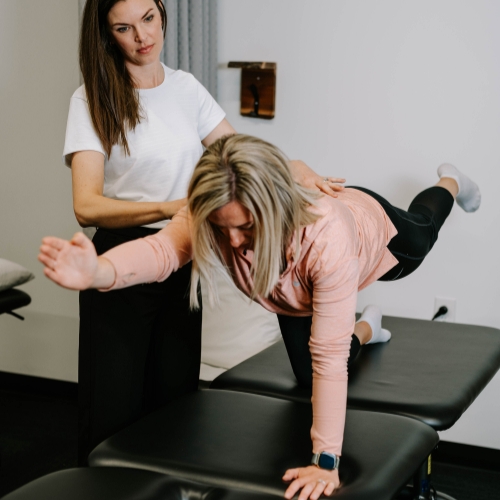
Walking is a coordinated movement that depends on strength, balance, joint mobility, sensation, coordination, and confidence. The hips, knees, ankles, feet, spine, muscles, nerves, and balance systems all work together to support each step.
Gait changes can occur when one or more of these systems is affected.
Common contributors to gait concerns include:
Pain in the back, hip, knee, ankle, foot, or leg can change the way you walk. You may begin limping, avoiding weight on one side, taking shorter steps, or moving more cautiously.
Arthritis or joint stiffness can limit how well the hips, knees, ankles, feet, or spine move during walking. This may affect step length, balance, and comfort with stairs or longer distances.
Weakness in the legs, hips, ankles, or core can make walking feel less stable. Strength is important for standing, stepping, climbing stairs, and recovering after a stumble.
Balance concerns can make walking feel uncertain, especially on uneven ground, in busy spaces, or when turning. Some people begin to walk slower or hold onto walls, furniture, or another person for support.
Conditions such as stroke, Parkinson’s disease, multiple sclerosis, neuropathy, or other nervous system changes can affect walking, coordination, sensation, timing, and confidence.
After surgery, a fracture, a period in a boot or brace, or reduced activity, walking patterns can change. Physiotherapy can help rebuild strength, mobility, and confidence as you return to normal movement.
Some people use a cane, walker, crutches, or braces to help with safety and mobility. Physiotherapy can help ensure the device is used properly and that walking remains as efficient and safe as possible.
Gait concerns can vary depending on the cause, severity, and stage of recovery.
Symptoms may include:
Physiotherapy can help identify what is affecting your walking pattern and guide you through a personalized treatment plan. Your physiotherapist will assess how your body moves during walking, while also considering strength, balance, mobility, pain, coordination, and daily activity demands.
At CORPEO, your assessment may include a discussion about your symptoms, walking concerns, falls history, injury or surgery history, health conditions, activity level, mobility aid use, and the situations where walking feels most difficult. Your physiotherapist may also assess range of motion, strength, balance, coordination, sensation, posture, step length, walking speed, turning, stairs, and functional movements.
Based on your assessment, your physiotherapy plan may include:
Gait training focuses on improving how you walk. Your physiotherapist may work with you on step length, foot placement, weight shifting, posture, turning, pacing, and confidence during walking.
Targeted strengthening can help improve support through the hips, legs, ankles, feet, and core. Better strength can help with walking, stairs, standing tolerance, and balance recovery.
Balance exercises can help your body respond more confidently to changes in surface, direction, and movement. Coordination training may also help improve timing and control during walking.
Improving mobility in the hips, knees, ankles, feet, or spine can support a smoother and more comfortable walking pattern.
Your physiotherapist may include real-life movement practice such as sit-to-stand, stepping, stair climbing, turning, reaching, or walking on different surfaces.
If you use a cane, walker, crutches, brace, or other support, your physiotherapist can help adjust and practice safe use. The goal is to support safety while encouraging the best possible movement.
Your gait treatment plan is personalized to your symptoms, goals, and comfort level. Some people need help rebuilding walking confidence after an injury, surgery, or fall. Others need support for long-term balance, strength, or neurological changes.
As you progress, your physiotherapist will adjust your exercises and walking plan safely. The goal is to help you improve mobility, reduce compensation, build confidence, and move through daily life with better control.
Book Your Assessment
Receive a Personalized Gait Treatment Plan
Improve Strength, Balance, Mobility, and Walking Control
Move Through Daily Life with More Confidence and Stability
Gait concerns can make daily movement feel uncertain, but physiotherapy can help you better understand what is affecting your walking and take practical steps toward improved mobility. Contact CORPEO today to schedule a physiotherapy assessment at our Gloucester Centre clinic in Ottawa’s east end and learn how we can help with gait concerns.