Worrying about falling can affect how you move through daily life. You may feel less confident walking outside, using stairs, getting up from a chair, or moving around your home. For some people, that fear leads to avoiding activity, which can make strength, balance, and mobility decline over time.
Falls can happen for many reasons. They may be related to reduced strength, balance changes, dizziness, vision changes, medication side effects, previous injuries, or health conditions that affect movement. Environmental factors, such as poor lighting or uneven surfaces, can also increase the risk.
Falling is not an inevitable part of aging. With the right assessment and support, many people can improve balance, build strength, and feel more confident with daily movement.
At CORPEO, located in Gloucester Centre in Ottawa’s east end, our physiotherapy team helps identify factors that may be increasing your fall risk. The goal is to improve safety, mobility, and independence through a personalized fall prevention plan.
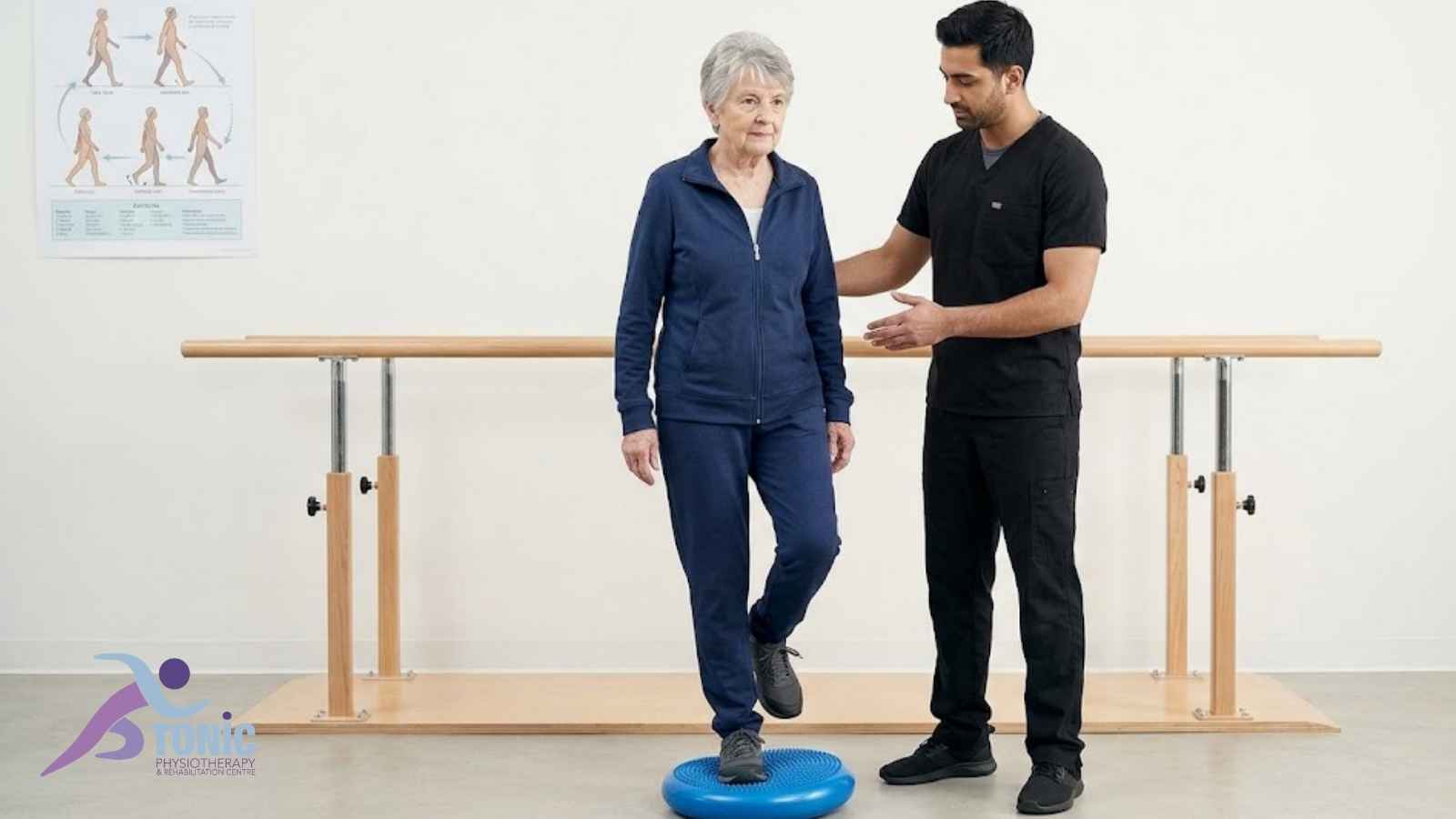
Fall risk can increase when the body has more difficulty responding to changes in position, surfaces, or movement. It can also be influenced by confidence, activity level, and the environment around you.
Common contributors to falls include:
Weakness in the legs, hips, core, or ankles can make it harder to stand, walk, use stairs, or recover balance after a stumble. Strength is especially important for getting up from a chair and moving safely throughout the day.
Balance depends on the muscles, joints, vision, inner ear, and nervous system working together. If one or more of these systems is not functioning well, you may feel unsteady or less confident while walking or standing.
A slower, shorter, or less steady walking pattern can increase fall risk. Some people may shuffle, widen their stance, hesitate before stepping, or feel unsure on uneven ground.
Dizziness, lightheadedness, or feeling unsteady when standing can increase the risk of losing balance. These symptoms may be related to several factors and should be discussed with a healthcare professional.
Having a fall or near fall can affect both confidence and movement. Some people begin avoiding activity, which can lead to further weakness, stiffness, and reduced balance over time.
Conditions such as arthritis, stroke, Parkinson’s disease, diabetes, heart conditions, or neuropathy may affect balance, strength, sensation, or coordination. Some medications may also contribute to dizziness or unsteadiness.
Loose rugs, poor lighting, clutter, slippery floors, uneven sidewalks, and lack of handrails can all make falls more likely. Small changes to the environment can often make daily movement safer.
Fall prevention physiotherapy may be helpful if you have noticed changes in balance, strength, or confidence.
Signs may include:
Physiotherapy can help identify your personal fall risk factors and create a plan to improve strength, balance, mobility, and confidence. Your physiotherapist will assess how you move and how your body responds to everyday tasks.
At CORPEO, your assessment may include a review of your health history, previous falls, medications, activity level, walking confidence, home setup, and daily challenges. Your physiotherapist may also assess leg strength, balance, walking pattern, mobility, reaction control, stair ability, and getting in and out of a chair.
Based on your assessment, your fall prevention plan may include:
Targeted strengthening can help improve support through the legs, hips, ankles, and core. This can make walking, standing, stairs, and transfers feel steadier.
Balance exercises help your body respond more confidently to changes in position and surface. Exercises are chosen based on your current ability and progressed safely over time.
Your physiotherapist may work with you on walking pattern, step length, turning, pacing, and confidence on different surfaces. If needed, they can also provide guidance on safe use of a cane, walker, or other mobility aid.
Fall prevention often includes practicing real-life movements such as standing from a chair, turning, stepping over obstacles, using stairs, and reaching safely.
Your physiotherapist can provide guidance on pacing, footwear, home safety, activity planning, and ways to reduce hazards in your daily environment.
Fear of falling is common after a fall or near fall. A gradual, supportive plan can help rebuild confidence while improving strength and mobility.
Your fall prevention plan is personalized to your needs, goals, and comfort level. Some people need help improving balance after a fall. Others want to stay active, maintain independence, or feel safer moving around their home and community.
As you progress, your physiotherapist will adjust your exercises and mobility plan safely. The goal is to help you move with more confidence, reduce fall risk, and support your independence.
Book Your Assessment
Receive a Personalized Fall Prevention Plan
Improve Strength, Balance, Walking, and Mobility
Move Through Daily Life with More Safety and Confidence
If you are worried about falling, physiotherapy can help you better understand your risk factors and take practical steps toward safer movement. Contact CORPEO today to schedule a physiotherapy assessment at our Gloucester Centre clinic in Ottawa’s east end and learn how we can help with fall prevention.