An ACL injury can be a major setback, especially for people who play sports, train regularly, or live an active lifestyle. The anterior cruciate ligament, or ACL, helps stabilize the knee during movements such as pivoting, cutting, jumping, landing, stopping quickly, and changing direction.
When the knee is placed under sudden stress or moves in an uncontrolled way, the ACL can be stretched or torn. These injuries are commonly seen in sports such as soccer, basketball, football, volleyball, skiing, and other activities that involve quick changes in movement.
At CORPEO, our physiotherapy team focuses on helping you reduce your risk of ACL injury through targeted assessment, movement training, strengthening, balance work, and education. Whether you are an athlete looking to improve performance or someone who wants to protect their knees during daily activity, our goal is to help you move with better control, stability, and confidence.
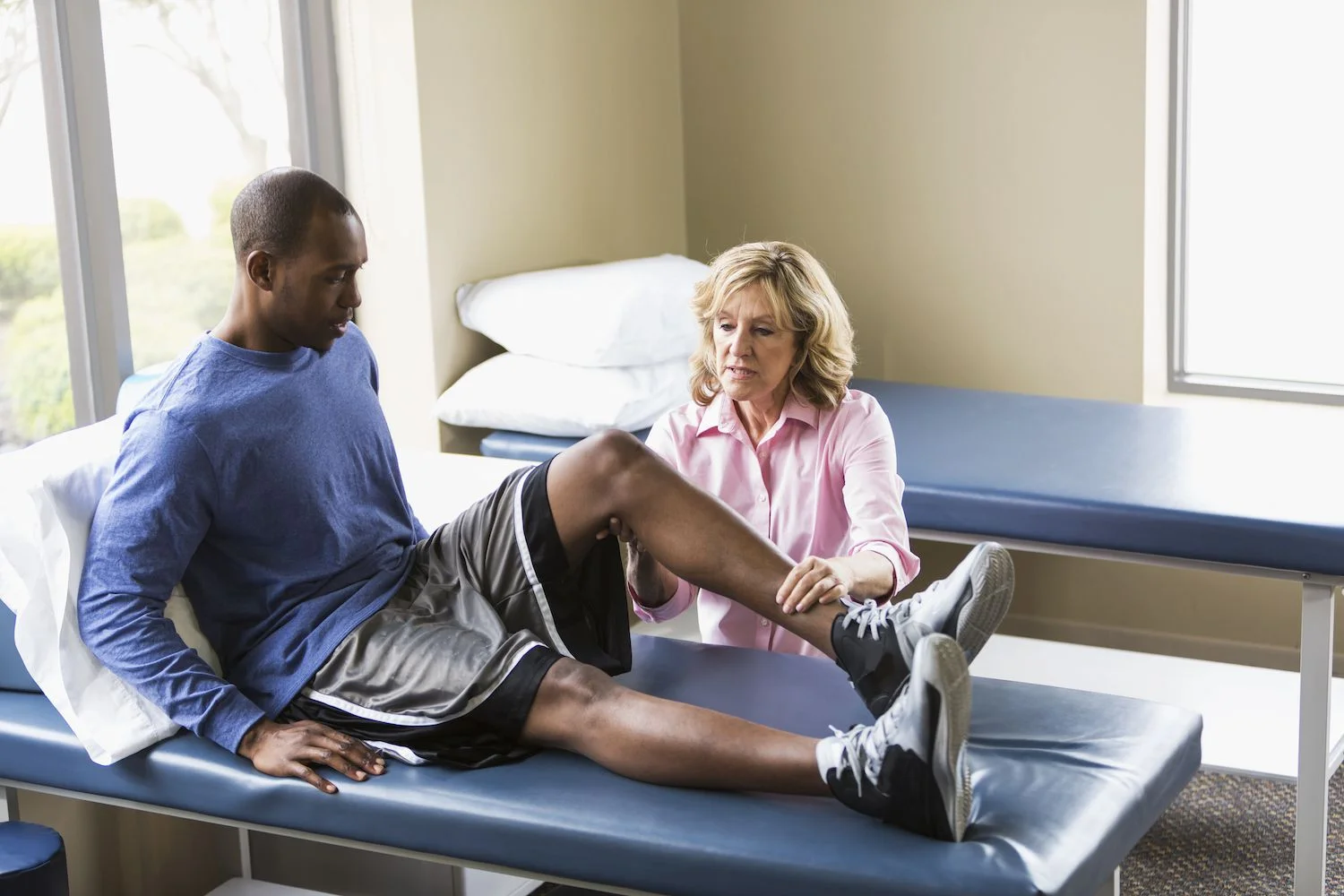
ACL injuries can affect mobility, strength, confidence, and long-term knee health. Depending on the severity, an ACL injury may require months of rehabilitation and can sometimes require surgery. Even after recovery, some people experience ongoing weakness, stiffness, instability, or hesitation when returning to sport or activity.
Prevention begins with understanding how your body moves. Many ACL injuries happen during non-contact movements, such as landing from a jump, planting the foot to change direction, slowing down suddenly, or pivoting with poor knee control.
Physiotherapy can help identify movement patterns, strength deficits, balance issues, and coordination challenges that may increase stress on the knee. With the right training program, many people can improve their mechanics, build stronger support around the knee, and lower their risk of injury.
ACL injuries can happen for many reasons. Some risks are related to the demands of a sport or activity, while others are connected to strength, coordination, flexibility, or movement habits.
Common factors that can contribute to ACL injury risk include:
Sports that involve cutting, turning, or sudden changes in direction can place high demands on the knee, especially when movement control is limited.
Landing with poor knee alignment, reduced hip control, or limited shock absorption can increase strain through the knee.
Weakness in the hips, glutes, hamstrings, quadriceps, or core can affect how the knee is supported during sport and activity.
Difficulty controlling body position during fast or unpredictable movements can increase the chance of awkward knee positioning.
Restrictions in the hips, ankles, or surrounding muscles can change how forces travel through the knee during movement.
As the body becomes tired, movement quality can change. This can make it harder to maintain proper control during running, jumping, landing, or cutting.
A history of knee injury can affect strength, confidence, balance, and movement habits, which may increase the risk of future injury.
At CORPEO, ACL injury prevention begins with a detailed physiotherapy assessment. Your physiotherapist will review your activity level, sport demands, injury history, goals, and any current symptoms. They may also assess your strength, flexibility, balance, landing mechanics, running or cutting patterns, and overall lower-body control.
This information helps us create a prevention program that is specific to your body, your sport, and your goals.
Your ACL prevention program may include:
Targeted strengthening for the hips, glutes, hamstrings, quadriceps, calves, and core helps improve knee support and overall lower-body control.
Your physiotherapist can help you improve how you jump, land, stop, pivot, and change direction so your knee is better supported during high-demand movements.
Exercises that challenge balance, coordination, and reaction time can help your body respond more effectively during sport and daily activity.
Improving mobility in the hips, ankles, and lower body can help reduce compensations and support better movement mechanics.
Your program can include drills that reflect the demands of your sport or activity, helping you build confidence in movements you need to perform safely.
We help you understand how training habits, warm-ups, fatigue, recovery, footwear, and movement patterns can influence knee injury risk.
Book Your Assessment
Receive a Personalized ACL Prevention Plan
Build Strength, Stability, and Better Movement Mechanics
Return to Sport and Activity with More Confidence
You do not need to wait for an injury before working on knee strength and movement control. Physiotherapy can help you take a proactive approach to ACL injury prevention by improving the way your body moves, absorbs force, and responds to sport-specific demands. Contact CORPEO today to schedule an ACL injury prevention assessment and learn how physiotherapy can help support your knee health.